
The Relationship Between Richmond and Design
Richmond has a long history of using design to express identity, and that connection becomes clear when walking through its many neighborhoods. Each area has its own visual language and distinct qualities. The Fan stands out as a place where Richmond’s relationship with design feels especially present. Its Victorian and Colonial architecture, its cobblestone streets, and its established tree canopy all reveal how the city’s past continues to influence how people live today.
The design of The Fan encourages connection. The layout of the streets, the scale of the brownstones, and the width of the sidewalks create a neighborhood that feels welcoming and human centered. Families, students, and small businesses occupy the same blocks, creating a rhythm of activity that comes from intentional planning. Even the mix of residential quiet and lively nightlife shows how design shapes behavior and atmosphere.
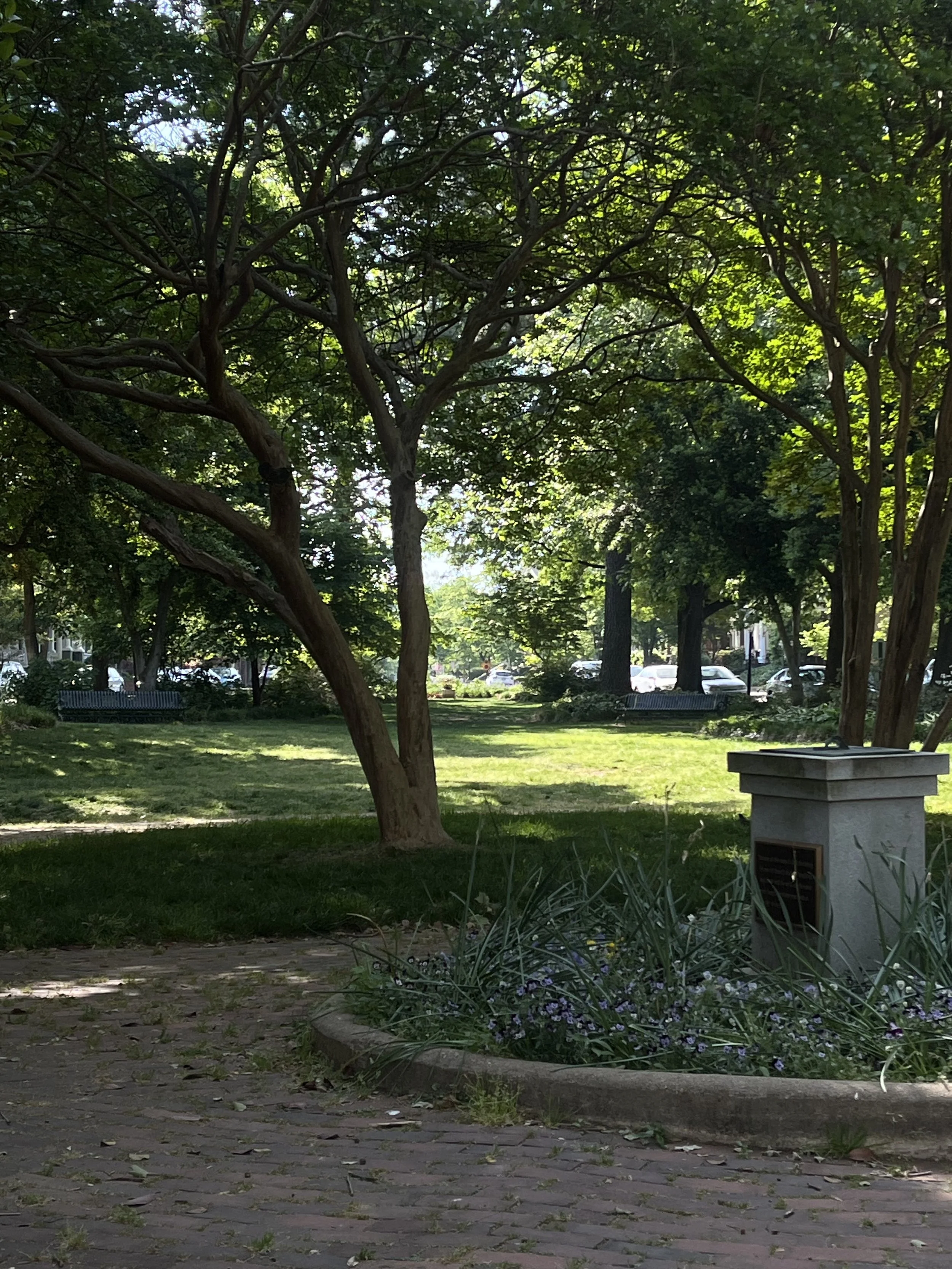
Photo by me
Walking through the neighborhood shows how thoughtfully designed spaces guide daily experiences. Tall trees form a natural ceiling over the sidewalks, creating pockets of shade and movement. Children draw in chalk, adding temporary art to the grid of the pavement. The brownstones offer warm glimpses inside, inviting curiosity and reinforcing a sense of community. The arrival of spring adds its own layer of design through blooming dogwoods and shifting scents that move through the streets.
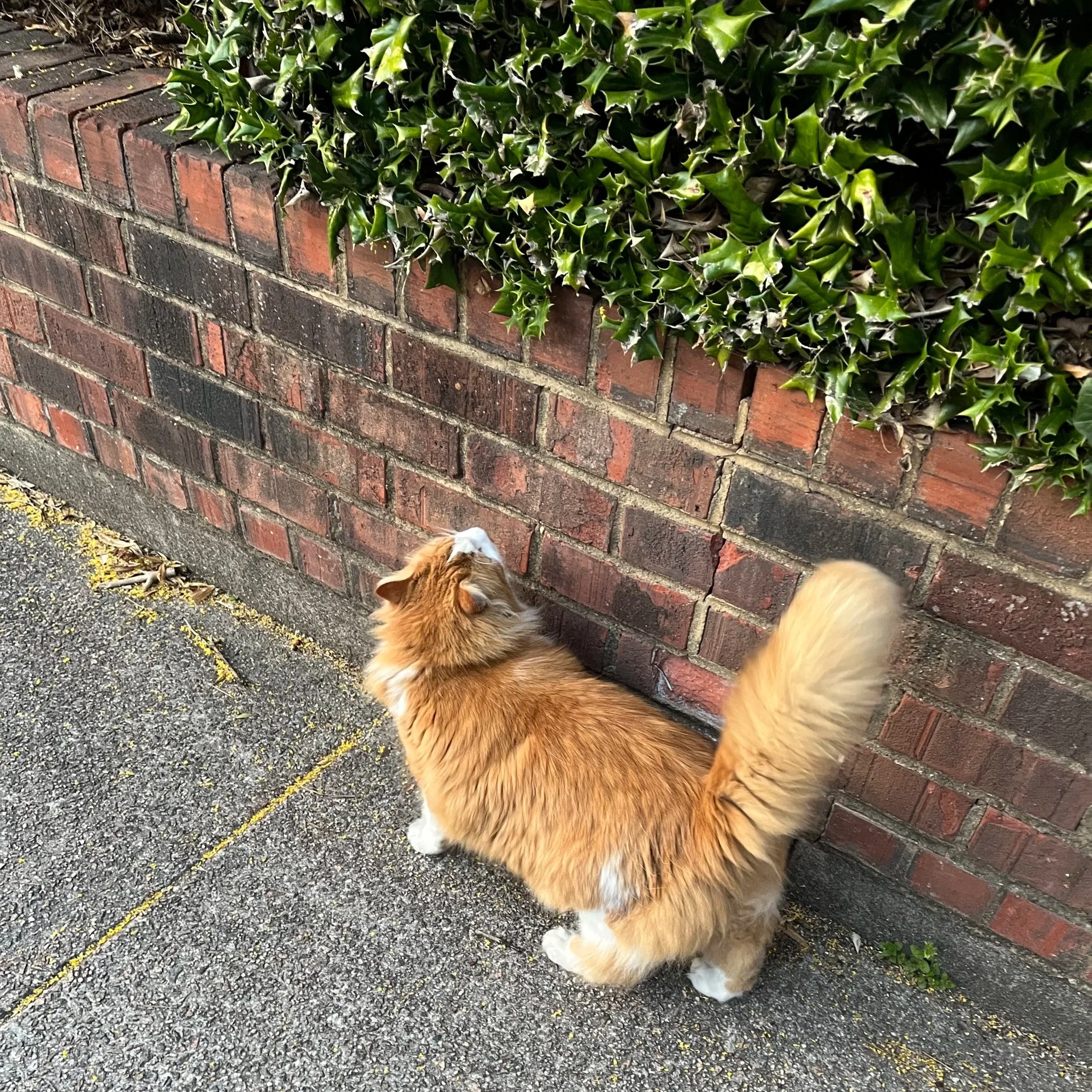
Photo by me
Design also appears in the ways people inhabit the neighborhood. Dogs pull their owners along familiar paths. Cats settle in windows like living sculptures. The flow of people and animals interacting with the built environment makes the streets feel alive. Even the quick movements of squirrels racing across cobblestones reveal how natural life adapts to a thoughtfully structured space.
On Strawberry Street, Richmond’s design culture becomes especially clear. Restaurants, specialty shops, and bakeries display their own identities through signage, storefronts, and interior layouts. Each business adds a piece to the neighborhood’s visual identity. Inside a bakery, the display of pastries, the scent of fresh sourdough, and the simple warmth of the space show how design shapes experience on a small scale. Leaving with a latte and croissant, it becomes easy to see that in Richmond, design is not only found in historic buildings. It is something lived, felt, and continually shaped by the people who move through it.